Miles Filer recalls his time as a POW in WW II
When Miles Filer left Fayette County to join the U.S. Army 508th Parachute Regiment, 82nd Airborne Division, in October 1942, the young farm boy weighed 160 pounds.
When he returned home in 1945, after being captured by the Germans and serving 11 months as a prisoner of war, he weighed 125 pounds.
Meet, or get reacquainted with, Miles, who recently celebrated his 90th birthday, as he shares some still vivid memories and experiences of World War II, and his life in the years following his rescue and return home to the United States.
Remembering
“I’ve been around the world, something I don’t intend to repeat,” Miles said.
“I was down through the Panama Canal, then to Czechoslovkia. I’m an experienced coalminer out of Czechoslovkia.”
Although Miles just recently celebrated his 90th birthday, he continued sharing his memories of World War II with the clarity born of extremely intense circumstances, such as jumping from a plane into the arms of the enemy on D-Day.
“I was in the 82nd Airborne and made the 14th jump into Normandy at 2 o’clock in the morning on D-Day. Ike (General Dwight D. Eisenhower) spoke to us at midnight.
“I wasn’t really close enough to hear what he said, but I’ll never forget, he wheeled around as he left and said, ‘Good luck, boys.’”
The 82nd flew to Germany in C-47s.
“We were supposed to go in on the 5th, (of June 1944), but the Navy couldn’t get in to Normandy (due to the weather and tide) and they postponed it for 24 hours, until June 6.
“That was pretty rough,” he said. “My lieutenant and I were in the same stick (a term for a bunch of men). We got just back of the wing on the right-hand side. Nowadays, they go out wholesale, out of the back of the plane,” he mused.
He that recalled enemy planes were shooting at them and a bullet going into the plane, but no one was hit.
“My chute got caught in a pine tree and just my toes touched the ground – softest landing I ever had. A dog was barking at me, and I was afraid he would give me away. I had to cut my harness with my machete to get out of my chute,” he said.
“The dog left and didn’t bother me anymore.”
Miles said that he was afraid of being stabbed in the back before he got loose.
“I looked for my lieutenant real quick. I had enough of TNT in each pocket on the side of my jump suit too blow up a tank. They used concrete towers instead of poles for the power lines in France,” he said.
“The sergeants thought we would blow some of those down with the TNT. I was a walking arsenal with it. I suppose some of the other guys were, too. The sergeant used mine and blew a post out. We almost got killed before that, though.
“Lieutenant Gillispie said, ‘Filer, you be the scout.’ I didn’t know it, but that was the best part to be, if you didn’t step on a mine or something. I went out a little ahead to the edge of the brush and the Germans were back in there, and they killed the lieutenant right there.”
“We were going to try to take a communication tower down. I went over a little mound to get to it and German machine guns started firing at me.”
As Miles ran for a trench, the bullets were hitting the ground on both sides of him. “I’m glad they didn’t have our guns; they were a lot more accurate,“ he said.
He added that they didn’t get that tower taken down.
Captured
Miles said that about they got in a trench on a grade that was about waist deep.
“We had been held over for 24 hours before the jump at 2 a.m. and we were worn out. There were about twenty-five of us in that trench,” he said.
Besides having no sleep for more than 36 hours, they were in the midst of the enemy, and some had been killed or wounded. Exhausted, they fell asleep, including the two on guard.
Four young German soldiers caught them off-guard and captured them the day after D-Day.
“They were from 16 to 18 years old, and one of them grabbed my rifle and broke the stock out of it. If I’d had any strength whatever, or the other guys, we could have overpowered those kids, but we were just dead (from exhaustion).
“Looks like we would have tried,” he said. “Don’t know why we didn’t.”
They were taken by trucks first and then by train to Czechoslovakia, to work in a coal mine. Even the transportation was dangerous, as American planes were flying over and firing at them, not knowing American prisoners were aboard.
They were kept together and stayed in a “pretty nice” large farmhouse in which an older couple lived. “He seemed like a pretty nice old guy,” Miles said.
Guarded by German soldiers, they walked to the mine five miles away, morning and night, putting in 12-hour days. They were fed kohlrabi soup, which didn’t contain much kohlrabi and “many calories,” he said.
When they received Red Cross packages, Miles would trade the two packages of cigarettes in his to the German guards for a round loaf of bread, which he shared with the other prisoners.
He worked by himself in a part of the mine and was given tips by two English and Polish POWs who were also working in the mine.
Miles recalled that after about 30 days, one of the young Americans sat on his bunk one morning and told the guard he wasn’t going to work, that he was going on strike.
The guard (which Miles described as really “mean-looking”) put his gun to the American’s head and pulled the trigger, killing him instantly.
Miles said, “If you kept your nose clean, the guards wouldn’t bother you,” but this American spoke German and taunted them, “something I wouldn’t do,” he said.
He recalls only once finding some chunks of meat in POW soup. They were still in France and had seen a large Perchon horse being led in, and that was the last time the horse was seen. The next day, there was meat in the soup. Miles said he would rather have been working in the mine than doing nothing. He was a POW for 11 months and worked in the mine for nine months.
He was first listed as missing in action, so his parents didn’t know if he was dead or alive. Later, they learned that he was a prisoner of war.
Miles still has a letter from his mother, which was carefully and reservedly printed, expressing how happy they were to hear from him.
The End of the War
“Rescue was an interesting thing,” Miles said. “We knew the war was about over.
The German guards knew what was going on in the world. On May 4, 1945, the day the war was over, we had heard they had surrendered. That afternoon, we were leaving out of that area where we worked, walking up the road that afternoon,” Miles said.
“We stopped at a little valley with a stream. The Russians came from the east and the Americans from the west. I think the Americans were probably looking for us. They put us on a G.I. truck, and within a few hours, we were on a ship and headed for America. We finally got a really good meal when we got on the ship.”
Miles said that although he didn’t attend church much when young, he found “The Lord’s Prayer” in his soldiers handbook, and “I memorized it right quick.”
It sustained him during the war and since. He is a member of the Mother of Dolors Catholic Church in Vandalia.
Next week – Part 2-Miles Filer’s discharge and return to life as a civilian.
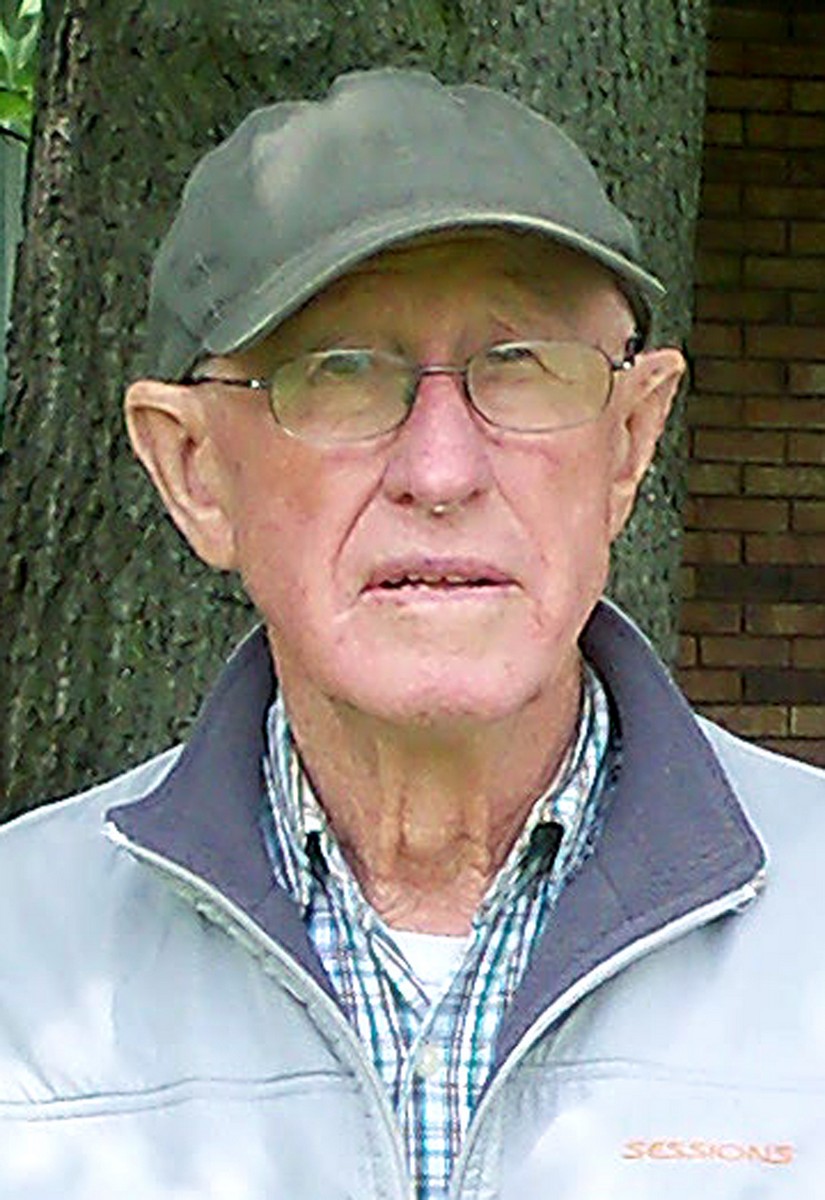
Miles Filer
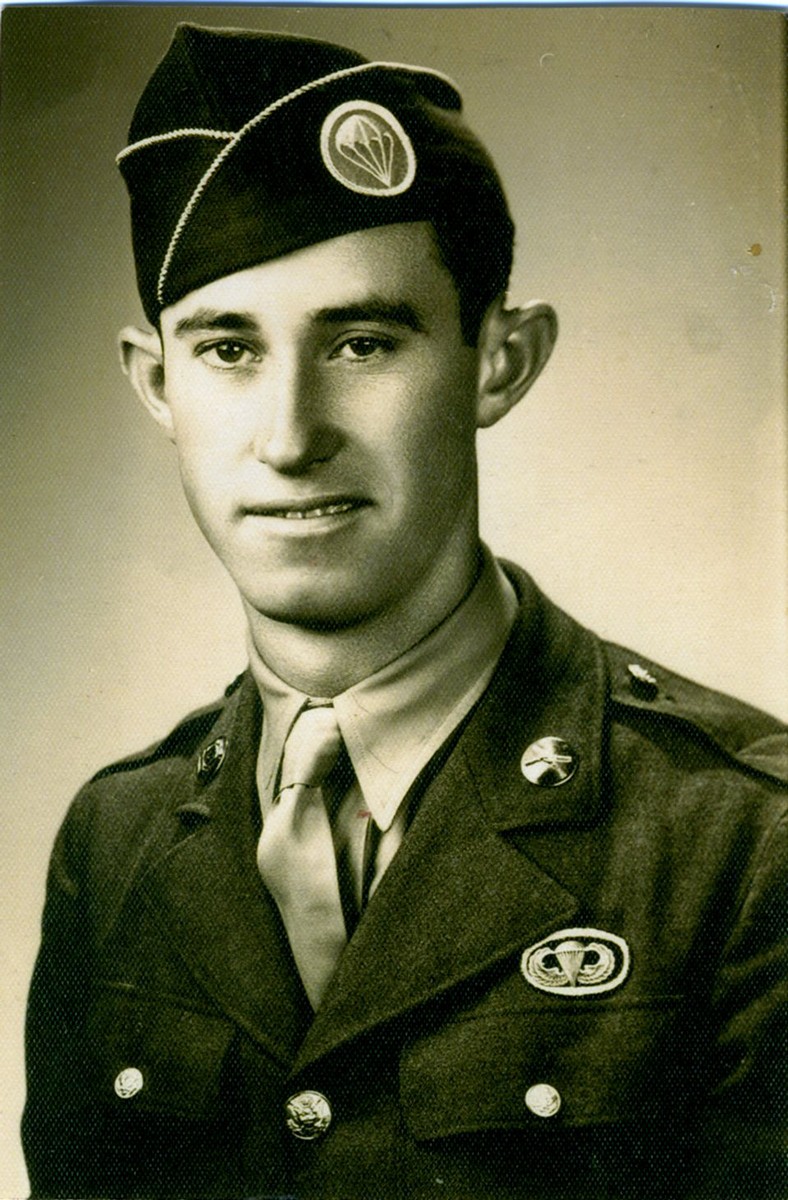
Miles Filer is shown in a photo taken after he joined the Army in 1942.

Above is a copy of the telegram that Miles Filer’s parents received to report that he was missing in action.